At what temperature do pipes freeze?
Pipes can freeze and burst once it gets down to about 20 degrees outside, and exposed pipes can freeze any time it's below 32. Texas A&M AgriLife Extension says to take precautions whenever it dips below freezing.
Houses here in Fannin County are built for heat more than cold, so water lines often run through attics, outside walls, crawl spaces and garages that get nearly as cold as outdoors on a hard night. Pipes on a north wall or in the wind go first.
Before a hard freeze
Do these in October or November, before the first hard freeze.
Hoses and outside faucets
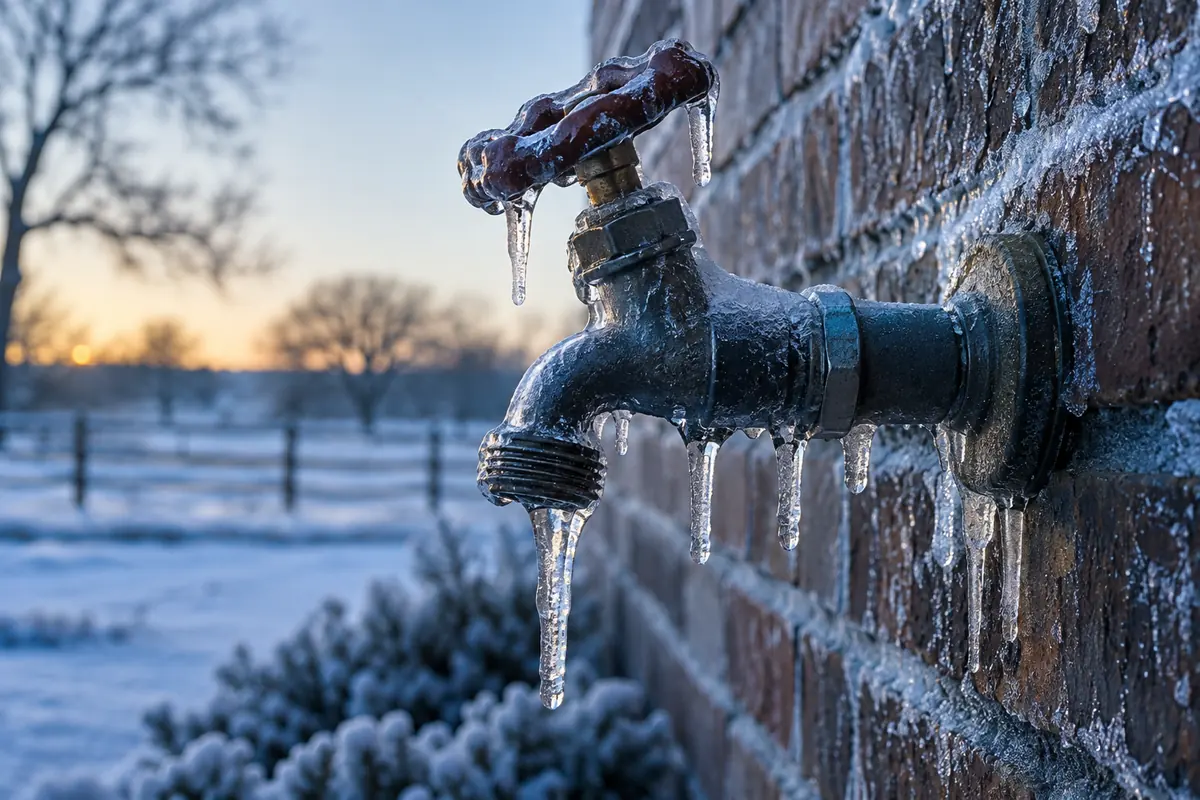
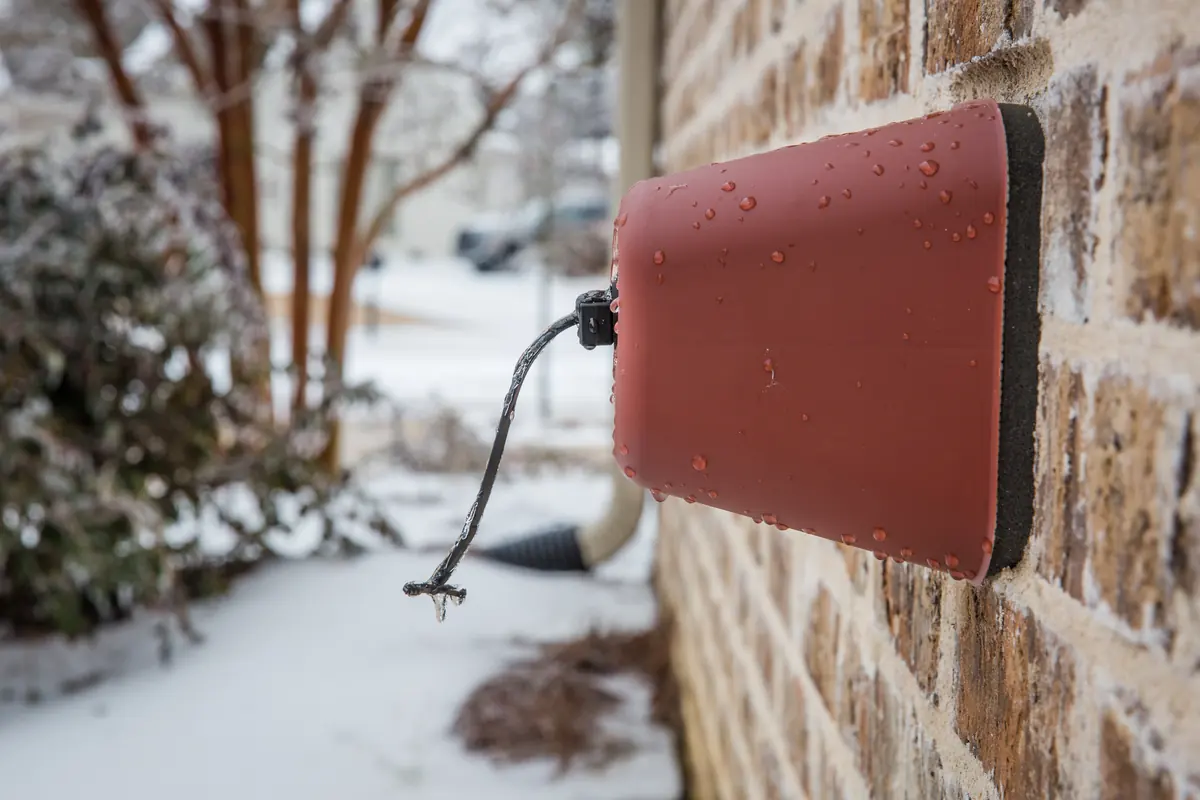
Unhook every hose, even from frost-free faucets, since a hose left on traps water that can split the faucet inside the wall. Then put an insulated cover on each faucet.
Crawl spaces and skirting
Wrap exposed pipes in foam sleeves and close the foundation vents for the winter. On a manufactured home, patch gaps in the skirting, since wind under the floor freezes lines fast.
Attic and outside-wall pipes
Attic pipes should be covered by insulation, down against the warm ceiling. Seal gaps where cold air gets in around pipes on outside walls, especially on the north side.
Garage water heaters
Insulate the pipes, keeping foam away from the flue on a gas heater. A tankless unit's freeze protection needs power, so if an outage is coming, drain it the way the manual says.
Well houses and pump houses
On a rural place with a well, insulate the well house walls, wrap the pipes and set up a safe heat source early. Damage to the pump or pressure tank itself is a job for a licensed water well pump installer.
Find and test your main shutoff
Find the valve and try it now, because how fast you can shut off the water decides how much damage a burst pipe does.
Find it
In town, check the meter box by the street and look for a second valve where the line comes in. On rural water, check the meter box at the road; on a well, look by the pressure tank.
Test it
Turn the valve off (a meter box valve may need a meter key) and open a faucet inside. Once the pressure bleeds off, the water should stop. Turn it back on slowly.
Fix what fails
If the valve won't turn, won't stop the water or leaks, don't force it. Replacing it is one of our everyday repairs, and you can request service online. We can also walk through your house before the first freeze and point out the pipes most at risk.
During a freeze
When a hard freeze is in the forecast, do these before bed:
- Let a thin, steady drip run from faucets on outside walls. Set single-handle faucets in the middle so hot and cold both move.
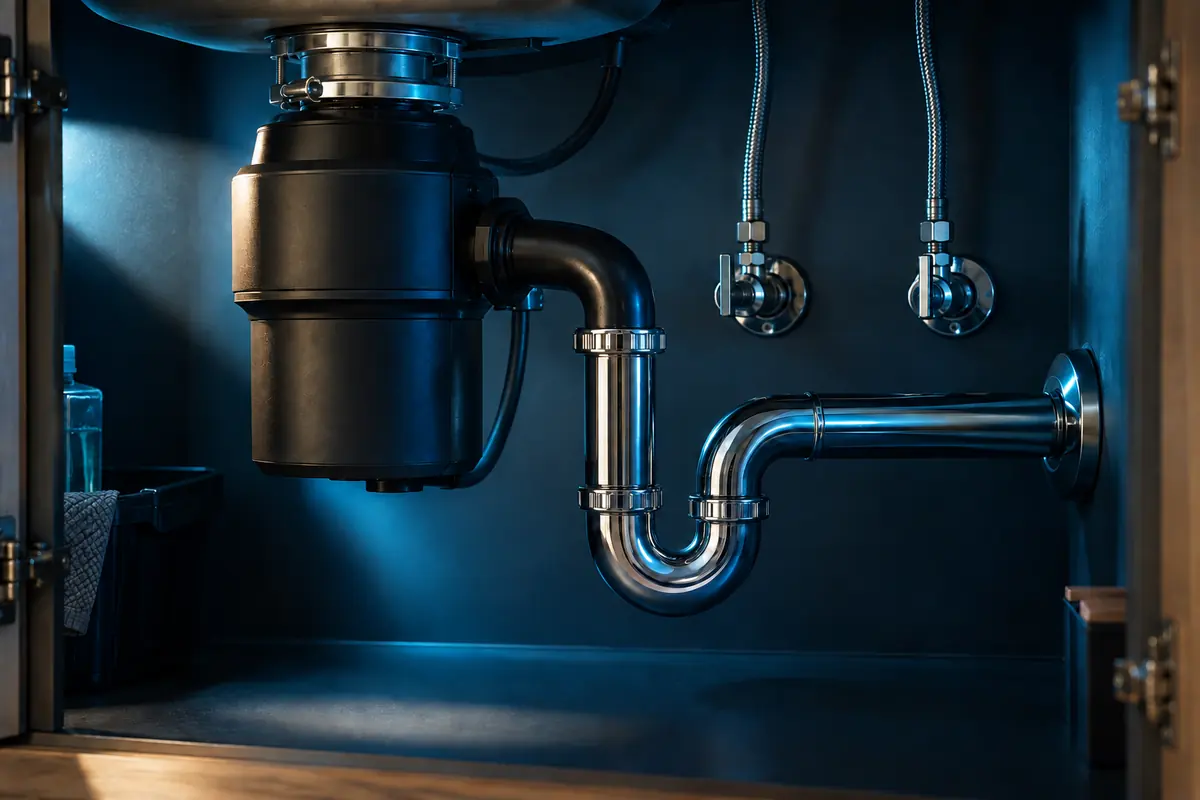
- Open the cabinet doors under sinks on outside walls, and move cleaners where kids and pets can't reach them.
- Keep the thermostat at the same setting day and night.
- Keep the garage door closed if water lines or a water heater are out there.
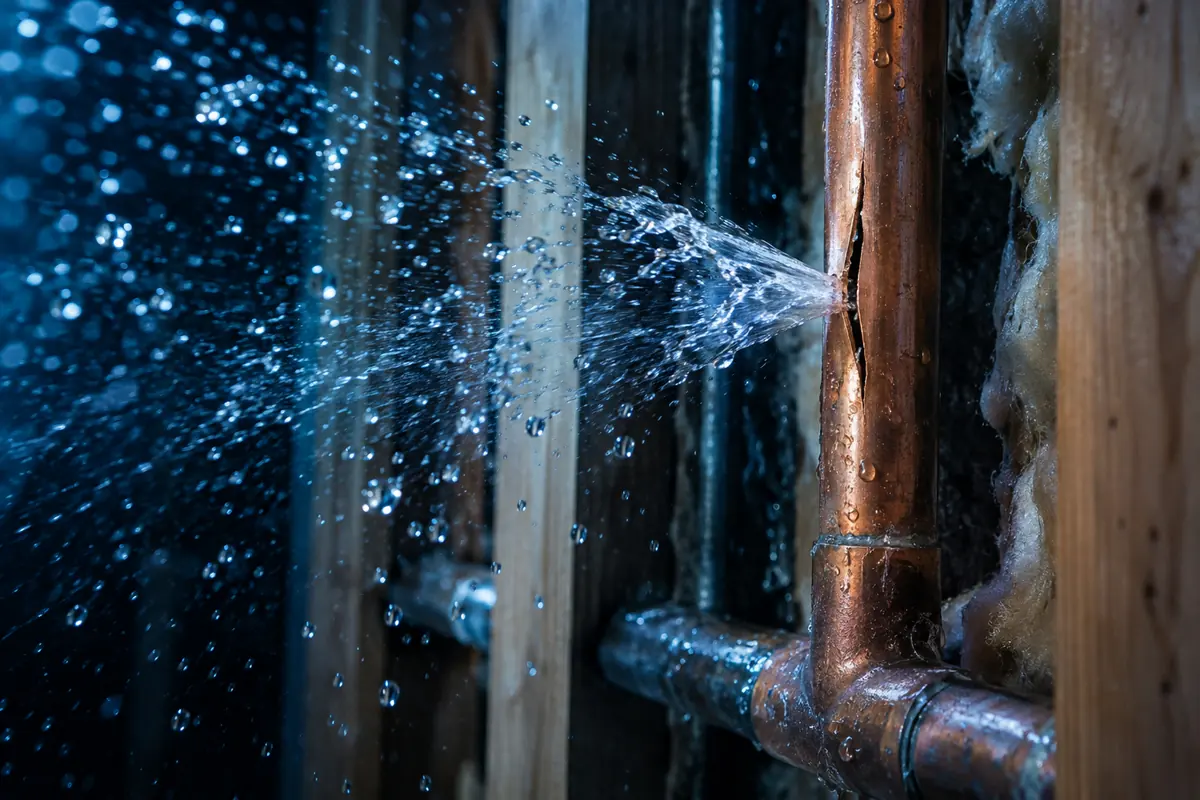
Moving water is slower to freeze, and if ice forms anyway, the open faucet gives the pressure somewhere to go. Pipes usually split between the ice and a closed faucet, where that pressure builds.
What to do if your pipes freeze
Leave the faucet open, find the frozen section, and warm it slowly with a hair dryer, a heating pad or towels soaked in hot water. A faucet that gives only a trickle is the tip-off, and the usual spots are outside walls and where the water line enters the house.
A space heater works if you keep it clear of anything that burns, but never use a torch, a propane or kerosene heater, or any other open flame.
Keep the heat on until full pressure returns, then check your other faucets, since others may be frozen too. If you can't find, reach or thaw the frozen spot, call us at 903-000-0000.
Before you start, know where your main shutoff is. A pipe that froze may have split, and the leak starts as the ice melts.
What to do if a pipe bursts
Shut off the main first, and stay clear of anything electrical that's wet.
Shut off the water
Close the main shutoff and open a faucet at the lowest point in the house to drain the lines. Then turn off the water heater at the breaker if it's electric, or set it to pilot if it's gas.
Stay clear of wet electrical
Don't walk through water near outlets, cords, appliances or the breaker panel. Shut off the power only from a dry spot; otherwise call your electric provider.
Take photos, then dry out
Photos before cleanup help with an insurance claim. Then mop up, run fans and get wet things off the floor.
Call us
Call 3G Plumbing & Drain at 903-000-0000 and we'll find the break and fix it. Our emergency plumbing page covers what to do while you wait, and if old pipe keeps failing, see water line repair and repiping.
Frozen pipe questions we hear
Should I shut off my water if I leave during a freeze?
Yes. Shut off the main, open the faucets to drain the lines and turn off the water heater. Leave the heat on too, set no lower than 55 degrees.
Do PEX pipes freeze?
Yes. PEX can stretch a little, so it handles a freeze better than copper or CPVC, but it can still split and its fittings can crack. Protect it the same way.
Will a frozen pipe always burst?
No. Plenty thaw without damage, but you won't know until water moves again. Watch for leaks as it thaws and check again the next day, since water inside a wall can take a while to show.